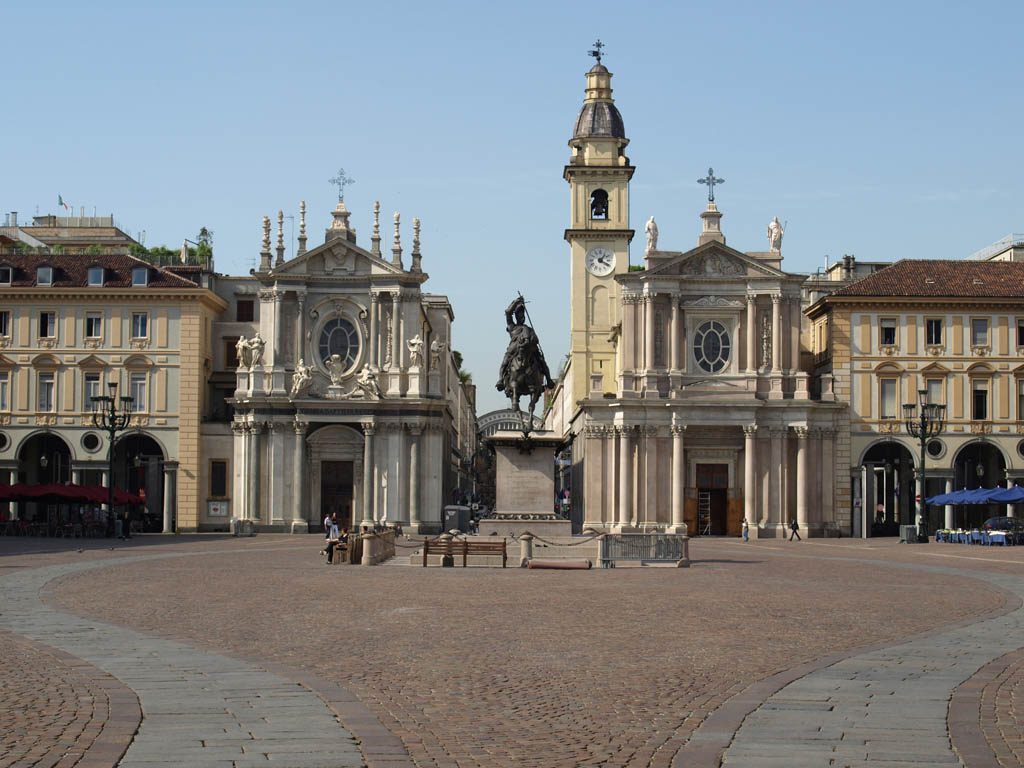
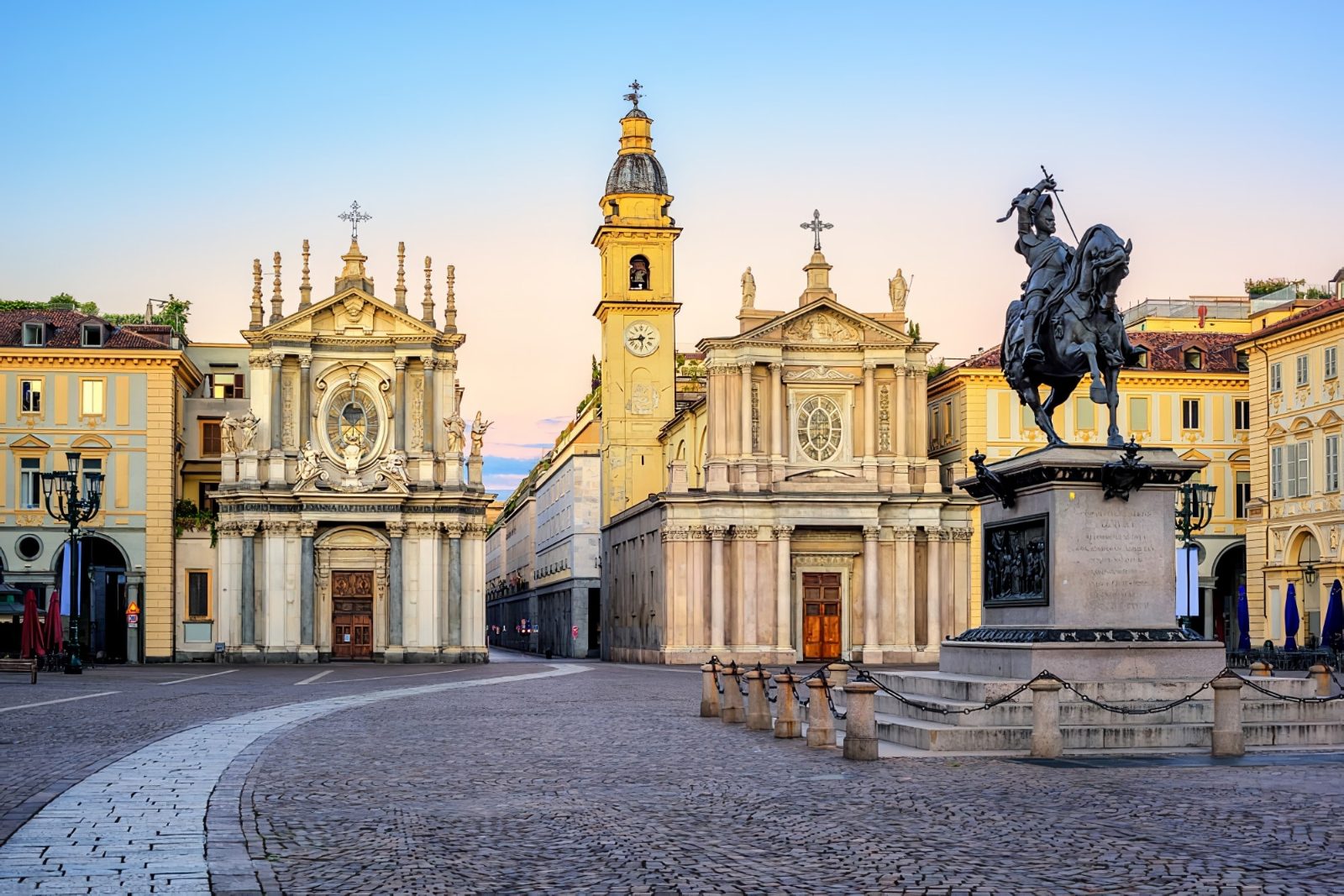
Piazza San Carlo
5 min walk
This historic square is known as the drawing room of Turin and offers a central location for resting between museum visits.

Turin sits firmly in Italy's mid-range travel tier, offering better value than Venice or Florence while maintaining a polished urban experience. The city's affordability depends on how you balance accommodation choices, meal selections, and museum access. Understanding local cost patterns helps you stretch each euro without sacrificing the richness of your stay.
Quick answer
Turin is moderately expensive compared to other Italian cities, with daily budgets ranging from €60 for budget travelers to €150 for mid-range visitors. Accommodation averages €70-120 per night for mid-tier hotels, while meals cost €15-25 at neighborhood trattorias and €3-5 for espresso and pastries. Public transport runs €1.70 per ride, and museum entry typically costs €12-18, including the Egyptian Museum at €18. Strategic choices around dining districts and advance ticket bookings reduce costs significantly.
Turin's cost structure reflects its industrial heritage and relative distance from Italy's coastal tourist circuits. The city lacks the price inflation that plagues Venice's waterfront or Rome's Colosseum quarter, yet delivers comparable cultural density through its Savoy palaces, Egyptian collections, and baroque arcades. Visitor spending concentrates in three areas: accommodation in the historic center or Quadrilatero Romano, meals across aperitivo bars and traditional Piedmontese kitchens, and museum access across royal residences and specialized collections. Accommodation forms the largest single expense. Mid-range hotels near Piazza Castello or Via Roma charge €90-120 per night during spring and autumn, dropping to €70-90 in winter outside holiday weeks. Budget travelers find hostel beds for €25-35 and guesthouse rooms for €50-70, while luxury properties along Via Po reach €200-300. Location trades convenience for cost—staying near Porta Nuova station or in San Salvario cuts rates by 20-30% while keeping you within walking distance of major sights. Food costs separate sharply by venue type. A seated lunch at a centro storico trattoria runs €15-25 with wine, while the same meal in San Salvario or Vanchiglia costs €12-18. The city's aperitivo culture offers exceptional value: €8-12 buys a cocktail and access to buffet spreads that replace dinner. Morning coffee and pastries cost €3-5 at neighborhood bars, and market shopping at Porta Palazzo supplies picnic provisions for under €10. High-end dining at Michelin-recognized tables starts at €80-120 per person. Transport and attraction costs remain predictable. A 90-minute public transport ticket costs €1.70, with day passes at €5 and 72-hour options at €12. Most major museums charge €12-18 for entry, including the Egyptian Museum at €18, Palazzo Reale at €15, and Cinema Museum at €12. The Torino+Piemonte Card bundles museum access and transport, worthwhile for visitors planning three or more paid entries across two days. Many churches and arcaded streets remain free to explore, and the riverside Parco del Valentino costs nothing to walk. Whether is Turin expensive to visit depends on your baseline. Against Milan's business-district premiums or Florence's Renaissance markups, Turin delivers lower bills for comparable experiences. Strategic meal timing, advance online bookings for museums, and accommodation choices outside peak wedding season stretch daily budgets comfortably into the €80-100 range without cutting quality.
“Turin lacks the price inflation that plagues Venice's waterfront or Rome's Colosseum quarter, yet delivers comparable cultural density through its Savoy palaces and baroque arcades.”
Turin offers a more accessible price point than many major Italian tourist hubs, with costs varying based on your choice of accommodation and dining style. Travelers can manage expenses effectively by utilizing the extensive public transit network and exploring local markets.
How to spend less
Verdict: A daily budget of 110–160 EUR per person supports a comfortable visit, while budget-conscious travelers can spend as little as 80 EUR per day.
The Egyptian Museum maintains a consistent weekly schedule, opening to visitors every day except Monday. These hours allow for stable itinerary planning throughout the year.
Combining your visit to the Egyptian Museum at Via Accademia delle Scienze, 6 with nearby landmarks allows for an efficient itinerary. These sites are located within a short walking distance in the city center.
5 min walk
This historic square is known as the drawing room of Turin and offers a central location for resting between museum visits.
3 min walk
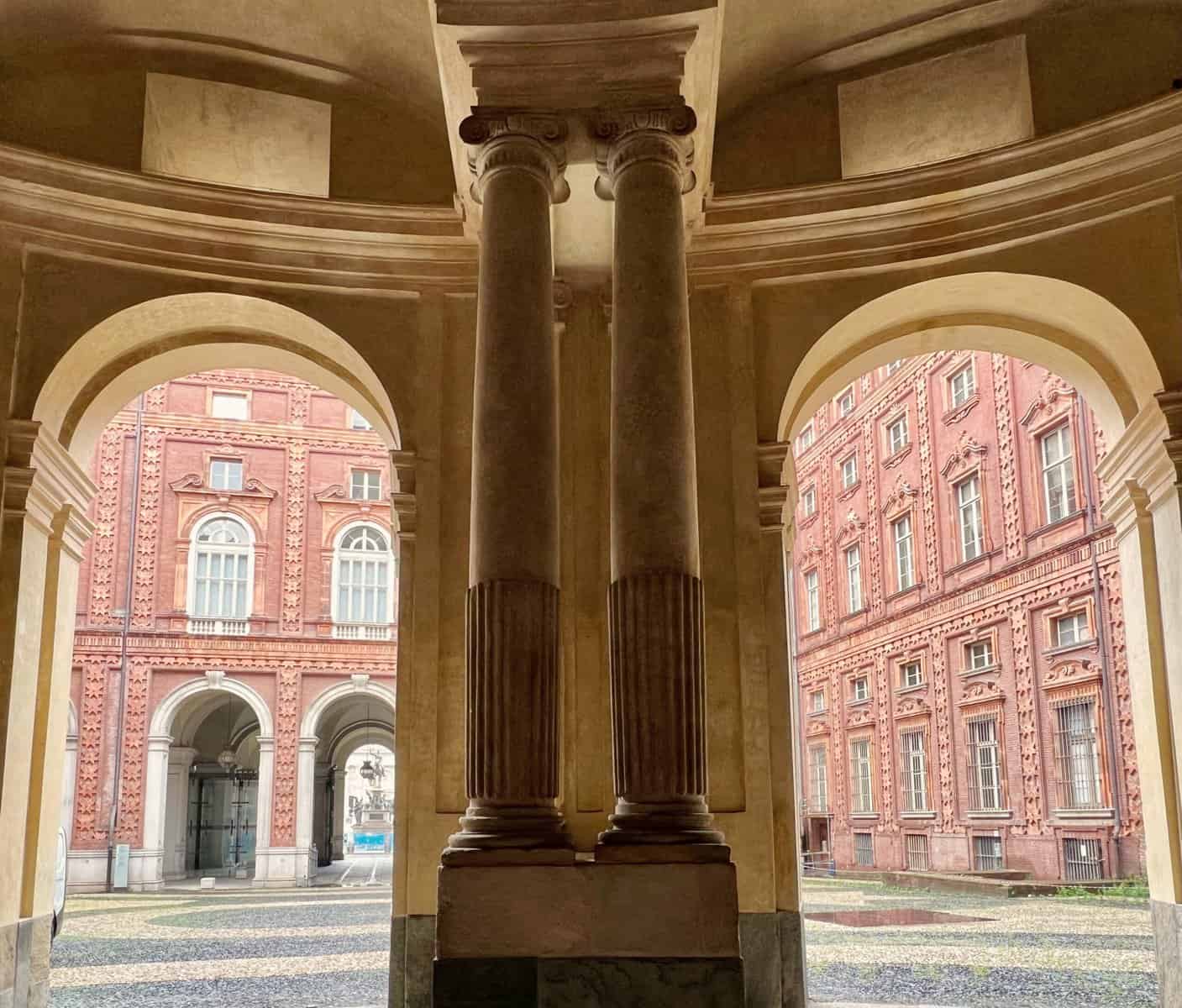
Located near the museum, this site provides context to the city history and architectural heritage of the area.
10 min walk
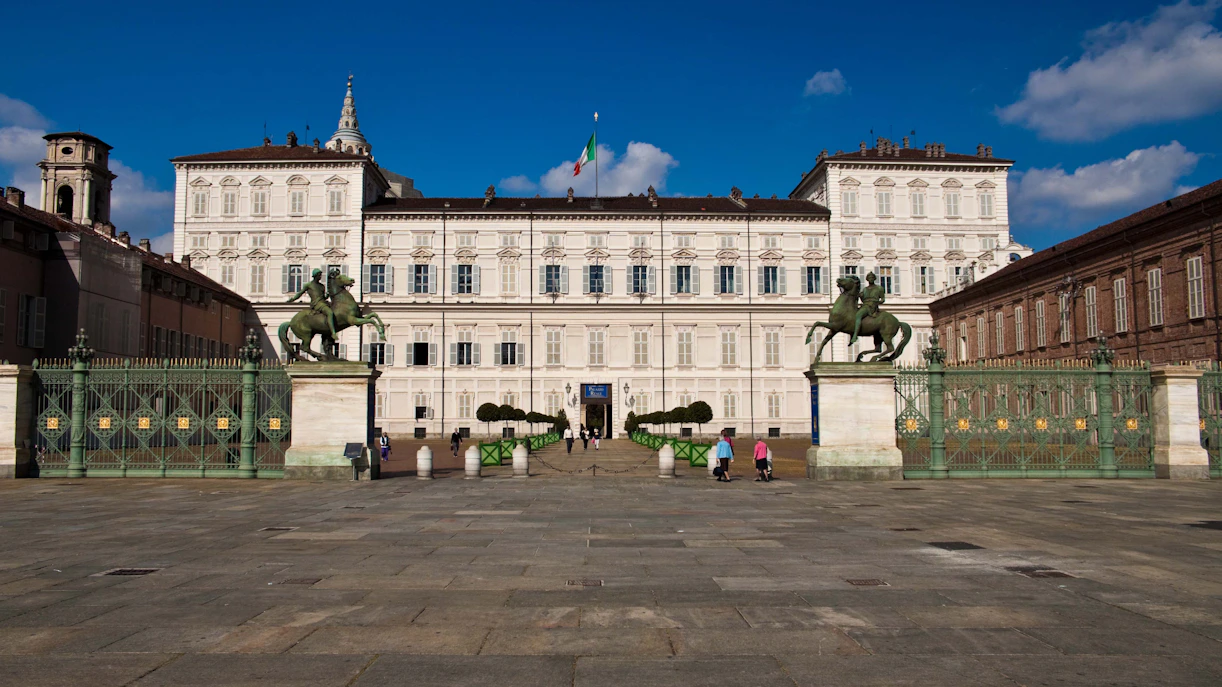
This location complements a morning at the museum by allowing visitors to explore royal residences within the same walking route.
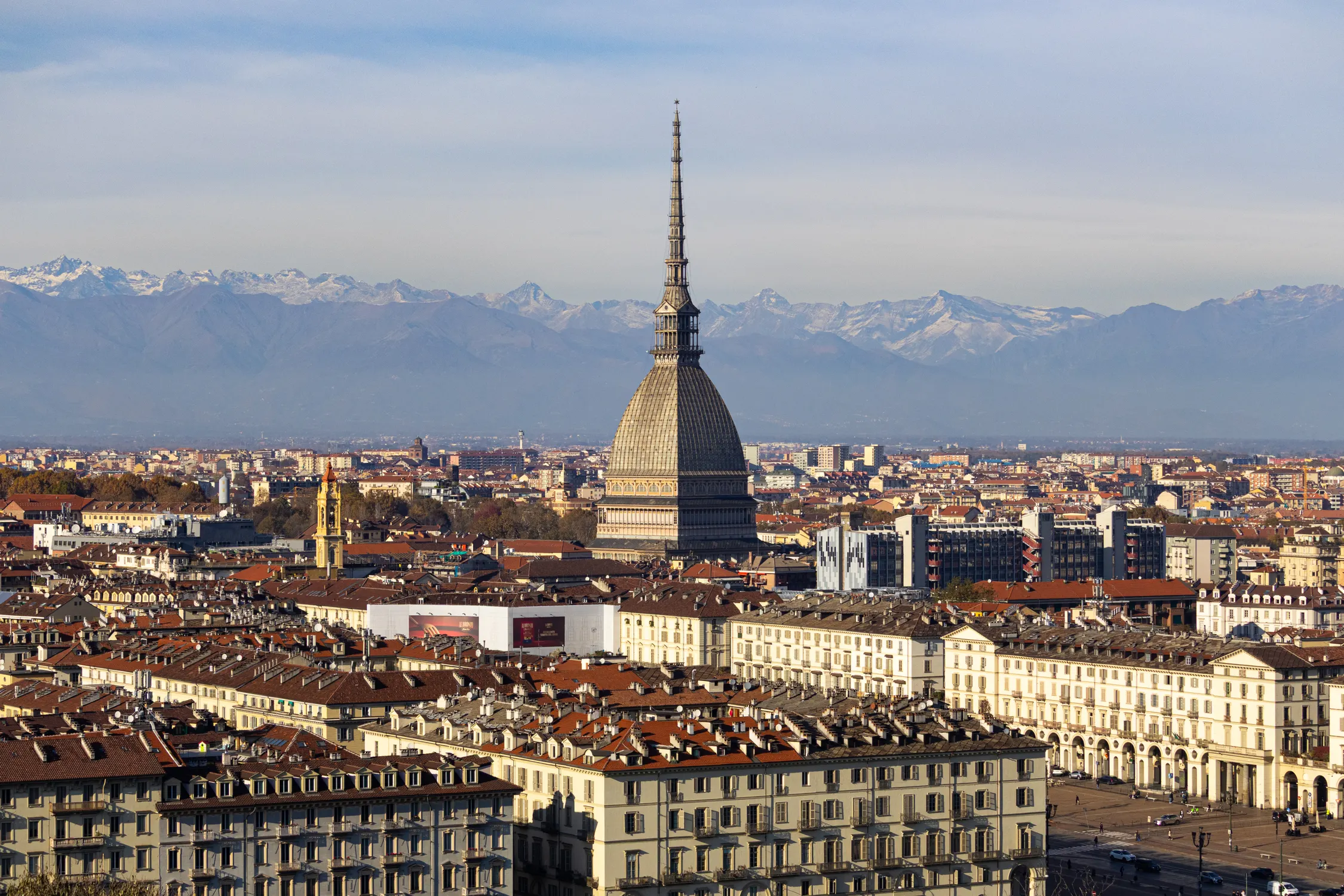
15 min walk
Positioned within walking distance, this landmark serves as a contrasting architectural stop to complete a day of sightseeing.
Everything you need to know about is turin expensive to visit
Generally, Turin is considered more affordable than major hubs like Rome or Venice. Daily expenses for dining and accommodation are often lower, making it a budget-friendly destination for many visitors. You will find that determining if Turin is expensive to visit often depends on your specific lifestyle and travel preferences.
When evaluating if Turin is expensive to visit, keep in mind that many cultural sites and historical squares are accessible for free. Prices for public transport and local Piedmontese cuisine remain competitive, allowing for a high-quality experience without significant costs. The city offers a range of options that cater to various financial plans.
The Egyptian Museum, located at Via Accademia delle Scienze, 6, has a standard adult entry fee of 18 EUR. While this is a primary attraction, budgeting for this specific site is straightforward because the price is fixed and transparent. Confirming if Turin is expensive to visit is easier when you account for these specific costs in advance.
To optimize your spending, consider utilizing city passes that consolidate access to major monuments. Planning your itinerary around walking routes or efficient tram lines helps minimize transport costs, ensuring you stay within your goals. Understanding if Turin is expensive to visit is largely about tracking these small daily logistical choices.
Travelers often find that local markets and authentic trattorias provide excellent value for authentic dining experiences. By balancing paid entries with the city's vast collection of free architecture and public parks, you can maintain a comfortable balance. Many visitors are surprised that Turin is affordable compared to other European urban centers.
Summer travel can fluctuate in price, particularly for accommodation, so booking ahead is recommended. Despite higher demand, the overall cost of visiting remains stable, especially if you prioritize value-oriented stays. Investigating if Turin is expensive to visit during August allows you to prepare for seasonal adjustments effectively.