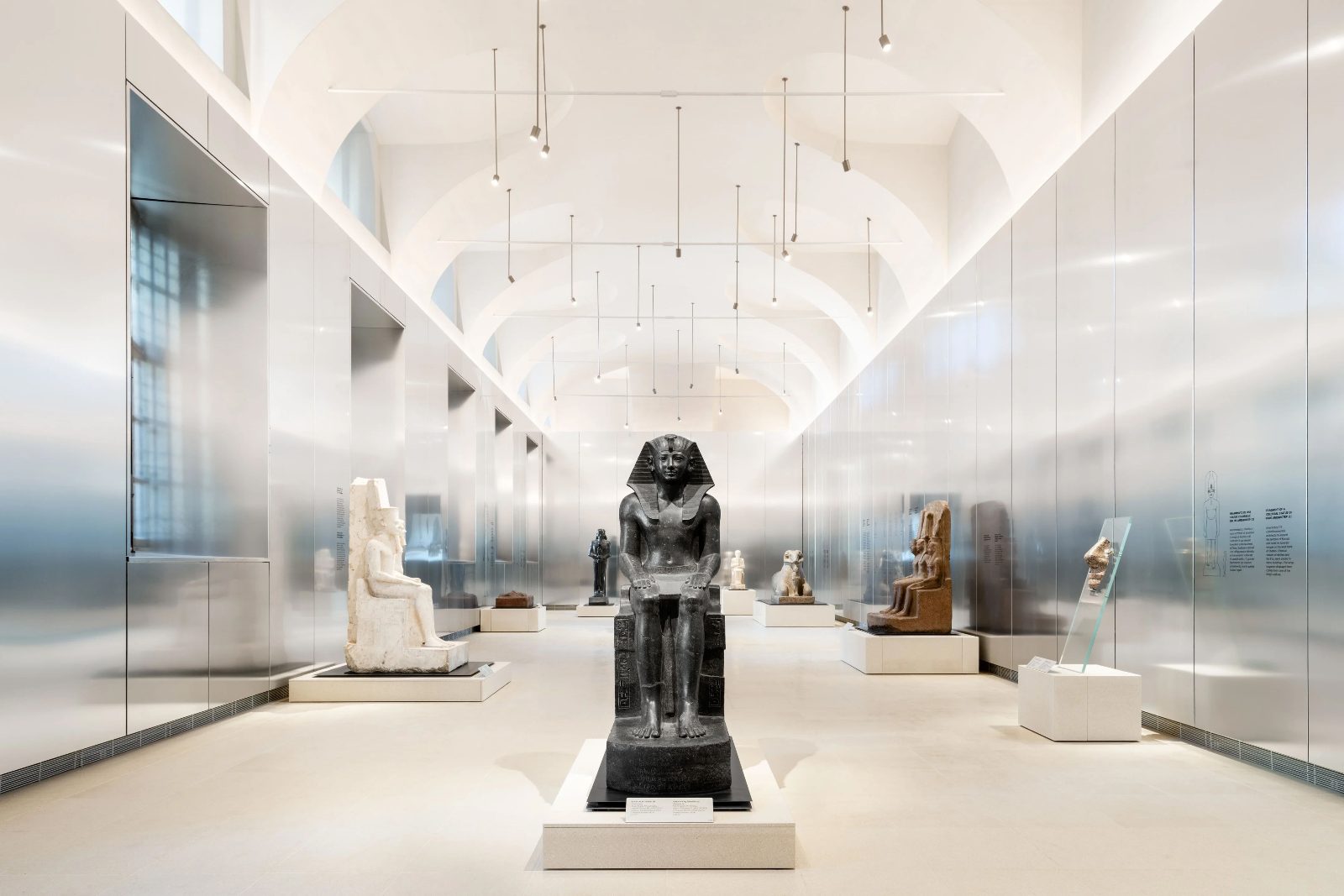
Egyptian Museum
This institution houses one of the most significant collections of Egyptian antiquities globally, featuring the Papyrus Collection and the Statuary Gallery.
Visit the Statuary Gallery early to view the sphinxes without congestion.

Turin sits at the foot of the Alps with a reputation that trails behind Rome, Florence, and Venice. The question travelers ask is whether this Piedmont capital justifies a stop on an Italian itinerary. The answer depends on what you value — if grand baroque squares, world-class museums, and mountain backdrops matter more than postcard canals, Turin delivers.
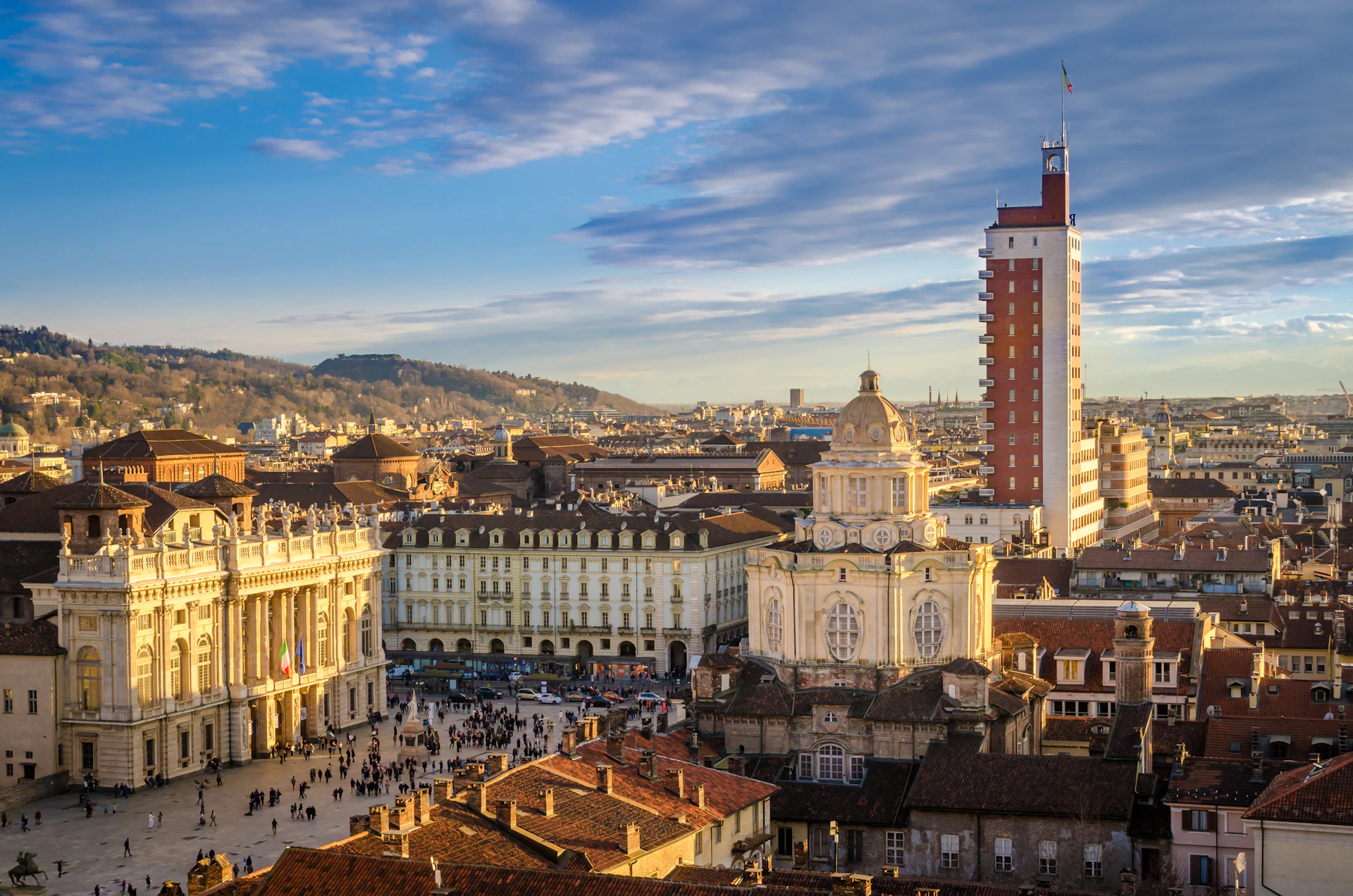
Quick answer
Is Turin worth visiting? Yes, especially for travelers who prioritize architecture, museums, and food over coastal scenery. The city holds the Egyptian Museum (second only to Cairo), the Mole Antonelliana, and UNESCO-listed Savoy residences. Most visitors spend two to three days covering the center. Turin rewards slower exploration — its porticoed streets, caffè culture, and lack of mass tourism make it one of northern Italy's most livable destinations.
Turin produces more chocolate than any other European city, yet it remains one of Italy's least-visited regional capitals. The city's 18 kilometers of arcaded sidewalks shelter visitors from rain and summer heat while connecting baroque piazzas laid out under Savoy rule. What began as a Roman military camp became the seat of Italian unification and the country's first capital from 1861 to 1865. The question of whether visiting Turin is worthwhile hinges on what you seek from Italian travel. The city does not offer Renaissance frescoes or ancient forums. Instead, it presents rational urban planning, Egyptian funerary art spanning four millennia, and the Shroud of Turin housed in the Cathedral of Saint John the Baptist. The Mole Antonelliana towers over the skyline at 167 meters, its panoramic lift revealing the Alps along the western horizon. Palazzo Madama and Palazzo Reale frame Piazza Castello, the administrative heart since the 16th century. Turin's appeal lies in its functionality as much as its monuments. The city grid runs perpendicular to the Po River, with Via Roma connecting the train station to the historic center in a straight line. Vermouth was invented here in 1786, and bicerin — a layered coffee, chocolate, and cream drink — remains a morning ritual in Belle Époque cafés. The Quadrilatero Romano district preserves narrow medieval lanes where markets have operated since the Middle Ages. Visitors who prioritize efficiency over romance find Turin rewarding. The metro reaches most major sites, and the Torino+Piemonte Card includes museum entry and public transport. The city sees fewer tour groups than Florence or Milan, which translates to shorter queues and quieter galleries. Summer temperatures average 26°C, while winter fog blankets the Po Valley from November through February. Spring and early autumn offer the clearest Alpine views and the most comfortable walking conditions along the river promenades.
“Turin's 18 kilometers of covered porticoes shelter visitors year-round while connecting baroque squares that once governed a kingdom.”
Turin offers a distinct cultural landscape defined by its royal heritage, scientific contributions, and ancient history. These sites represent the core of the city's identity.
This institution houses one of the most significant collections of Egyptian antiquities globally, featuring the Papyrus Collection and the Statuary Gallery.
Visit the Statuary Gallery early to view the sphinxes without congestion.
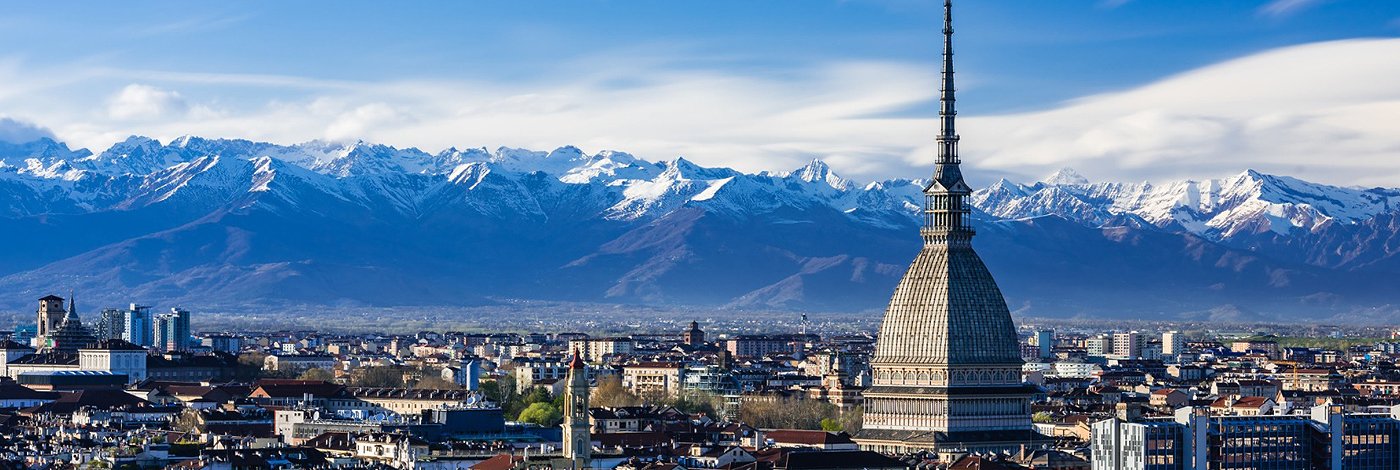
Originally designed as a synagogue, this structure now serves as the National Museum of Cinema and provides panoramic city views.
Use the panoramic glass elevator to reach the viewing terrace.
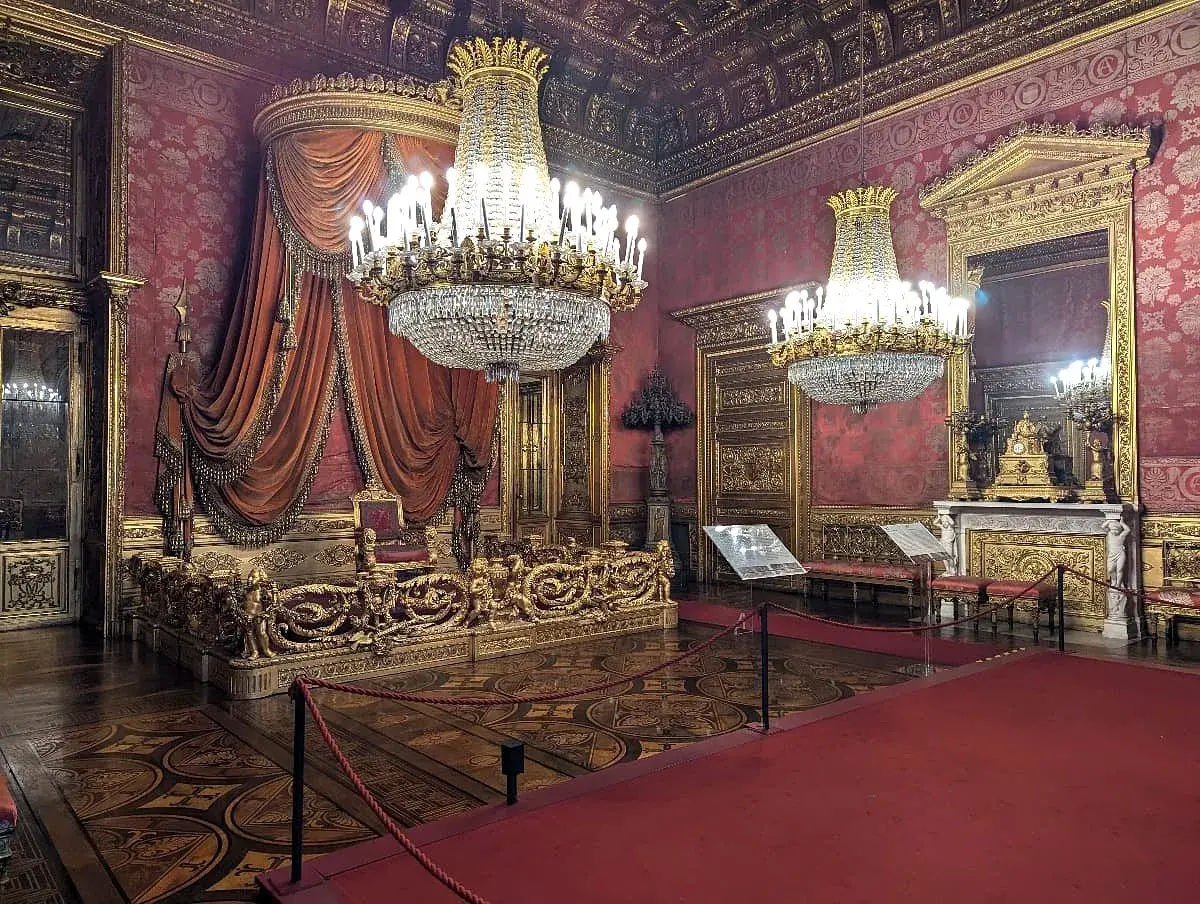
Part of the Savoy residences, this palace complex includes the Armeria Reale and the Royal Gardens.
Walk through the throne room to see the preserved royal decor.
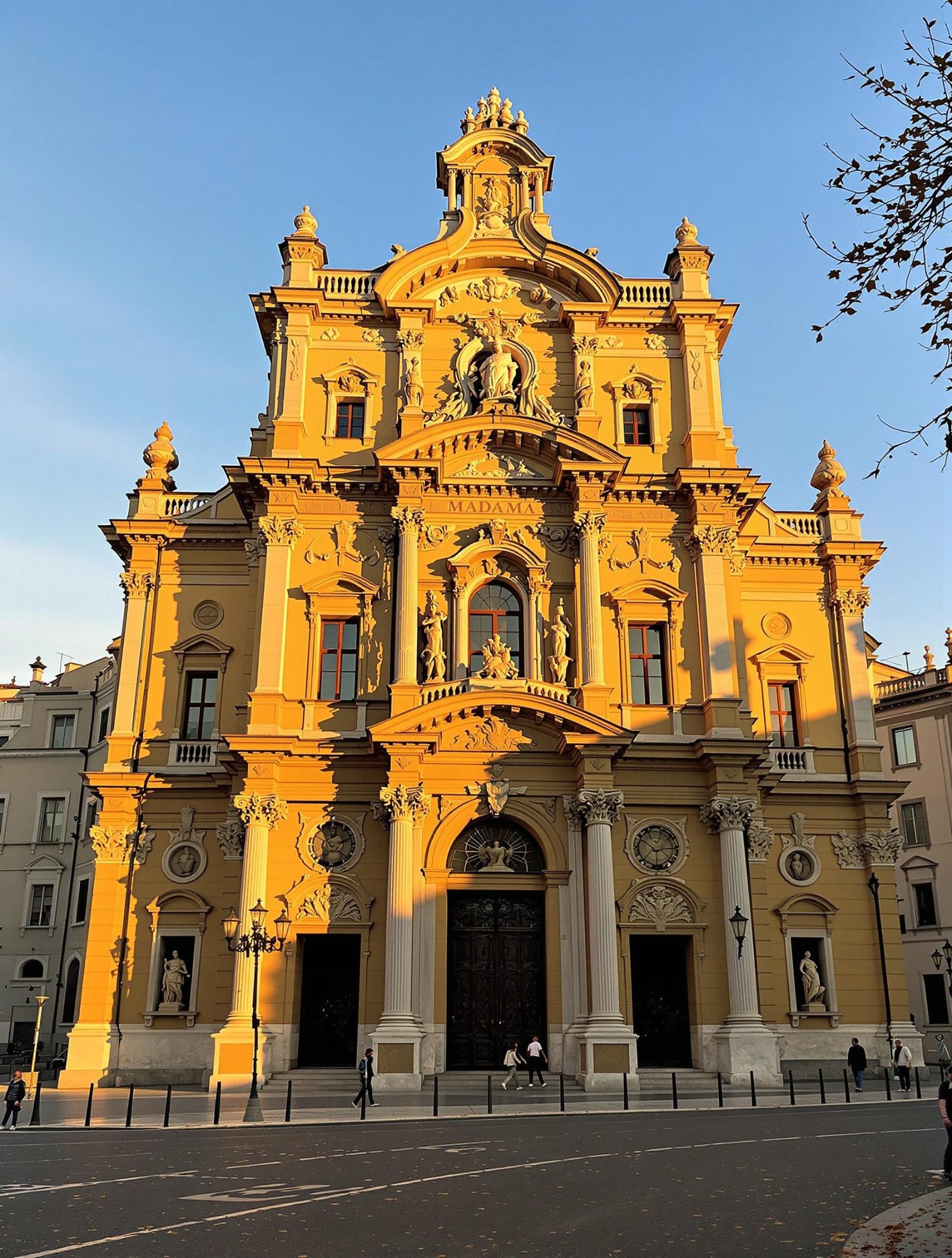
Located in the center of the city, this building showcases a blend of medieval and baroque architecture housing the Civic Museum of Ancient Art.
Observe the contrast between the medieval towers and the ornate baroque facade.
The best arrival window for visiting Turin is 09:00–11:00, which allows visitors to avoid mid-day crowds and take advantage of cooler morning temperatures. Planning your visit during these hours ensures a more consistent pace as you explore the city.
—
Visiting between 09:00 and 11:00 helps you avoid peak crowd levels. This window is ideal for managing your itinerary before the mid-day surge.
Mild, 15°C to 22°C
Spring offers pleasant weather for walking between central locations. The city experiences fewer tourists compared to the peak summer months.
Cool, 12°C to 20°C
Autumn features comfortable temperatures and frequent cultural events. Early morning visits remain the most effective way to navigate the streets.
Verdict: For the most balanced experience, aim for a weekday arrival between 09:00 and 11:00 during the months of April or October.
This 48-hour itinerary suits first-time visitors who want to experience Turin's baroque architecture, royal heritage, and café culture without rushing. The route follows a logical clockwise pattern through the historic center, keeping walking distances short.
Start at the city's monumental central square, then explore the Royal Palace's opulent state apartments and armory. Budget 2–3 hours for the palace interior.
Walk to the iconic tower housing the cinema museum (panoramic elevator to the dome), then visit the world-class Egyptian collection nearby. Each venue takes 1.5–2 hours.
Wander the medieval grid of narrow streets for aperitivo—locals gather at outdoor tables around 18:30. Try a bicerin (traditional layered coffee drink) at a historic café.
Tour the medieval castle-turned-baroque palace in Piazza Castello, then walk to the cathedral to see the chapel housing the Shroud replica. Combined visit takes 2 hours.
Stroll along the river embankment to the expansive park; visit the mock-medieval borgo and castle folly. The walk from the center takes 20 minutes, allow 1.5 hours for the park.
Return through the long covered colonnade linking the river to Piazza Castello, stopping for gelato or bookshop browsing. The arcaded walk offers shelter in any weather.
Beyond the historic core, the surrounding landscape offers significant architectural and panoramic sites that complete a visit to the region. These locations are accessible for day trips that expand your understanding of the area's royal and religious heritage.
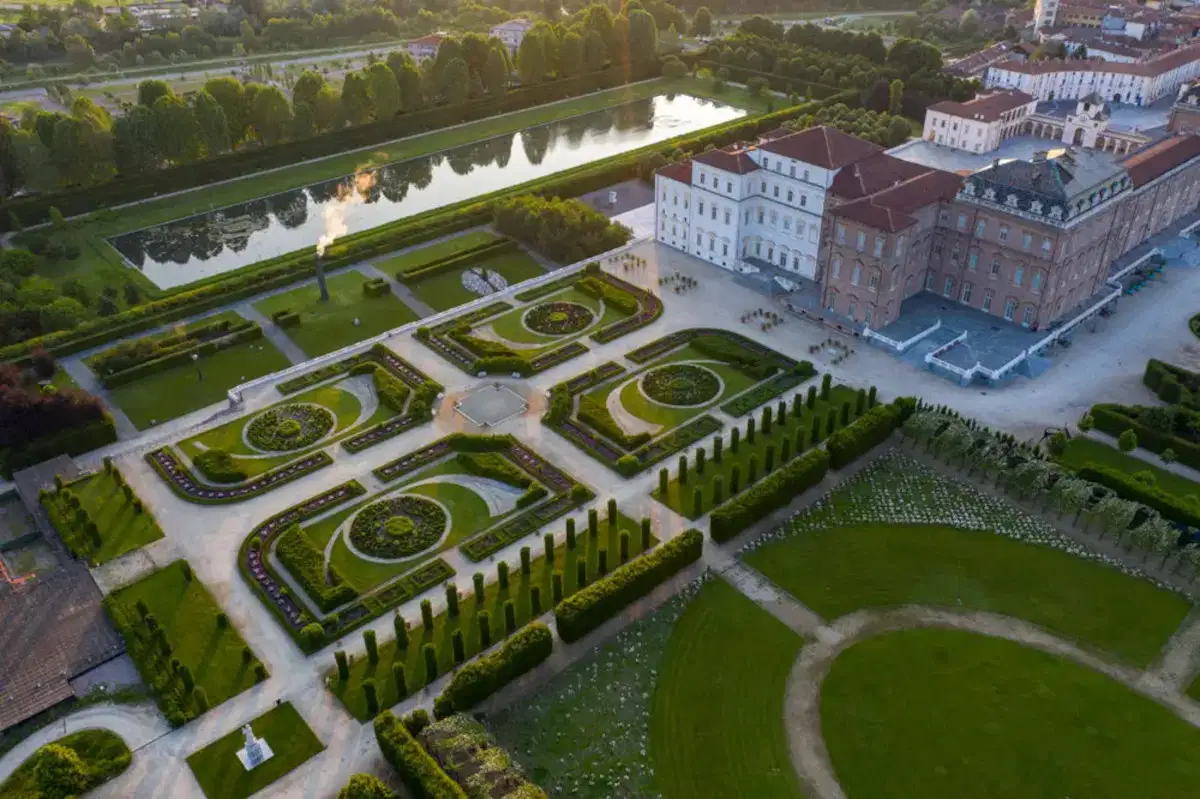
30 min drive
This expansive former royal residence provides a deeper look into the region's Baroque history and sprawling formal gardens.
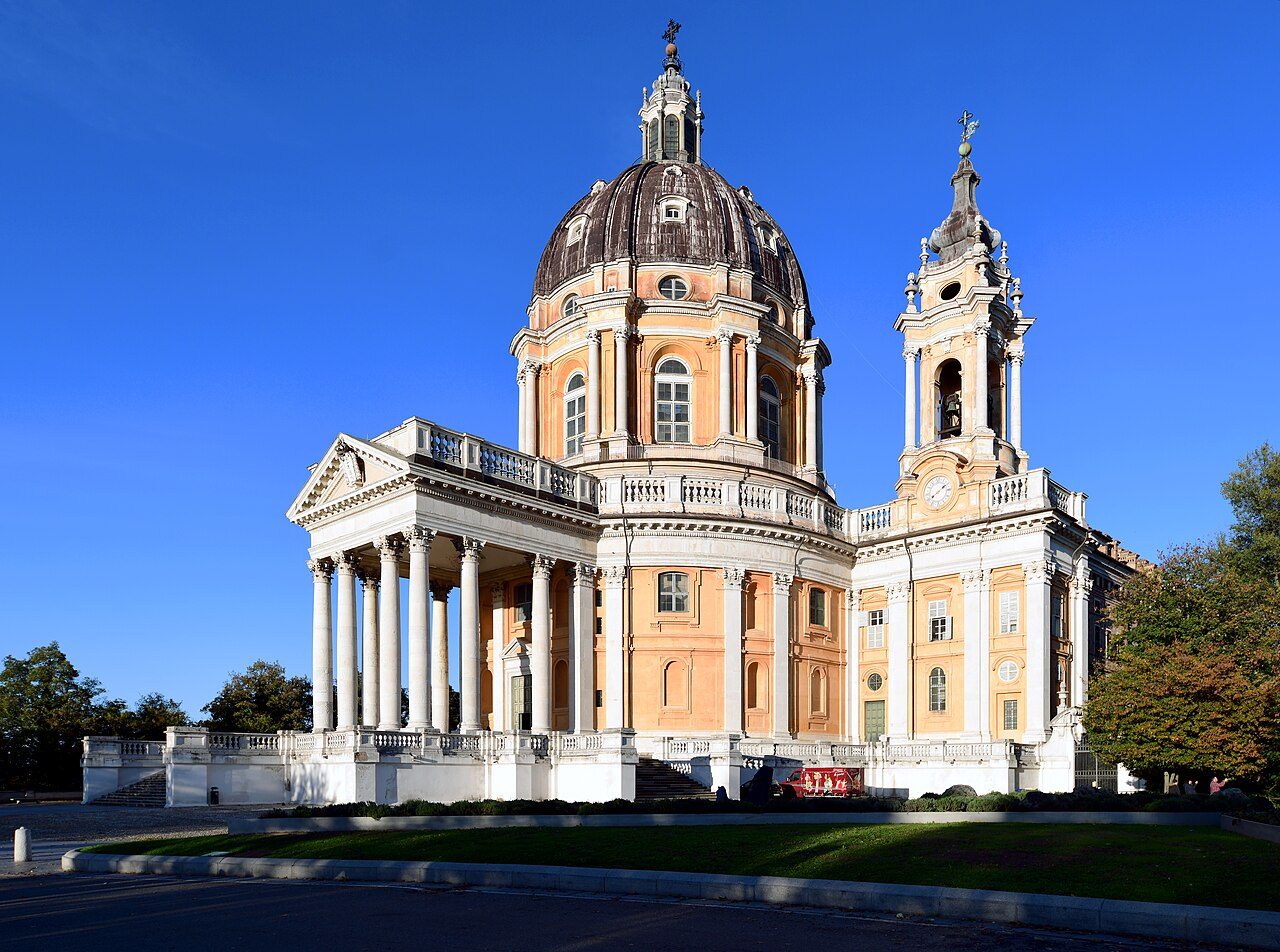
30 min drive
Located on a hilltop, this site offers expansive views of the city and the surrounding Alpine landscape.
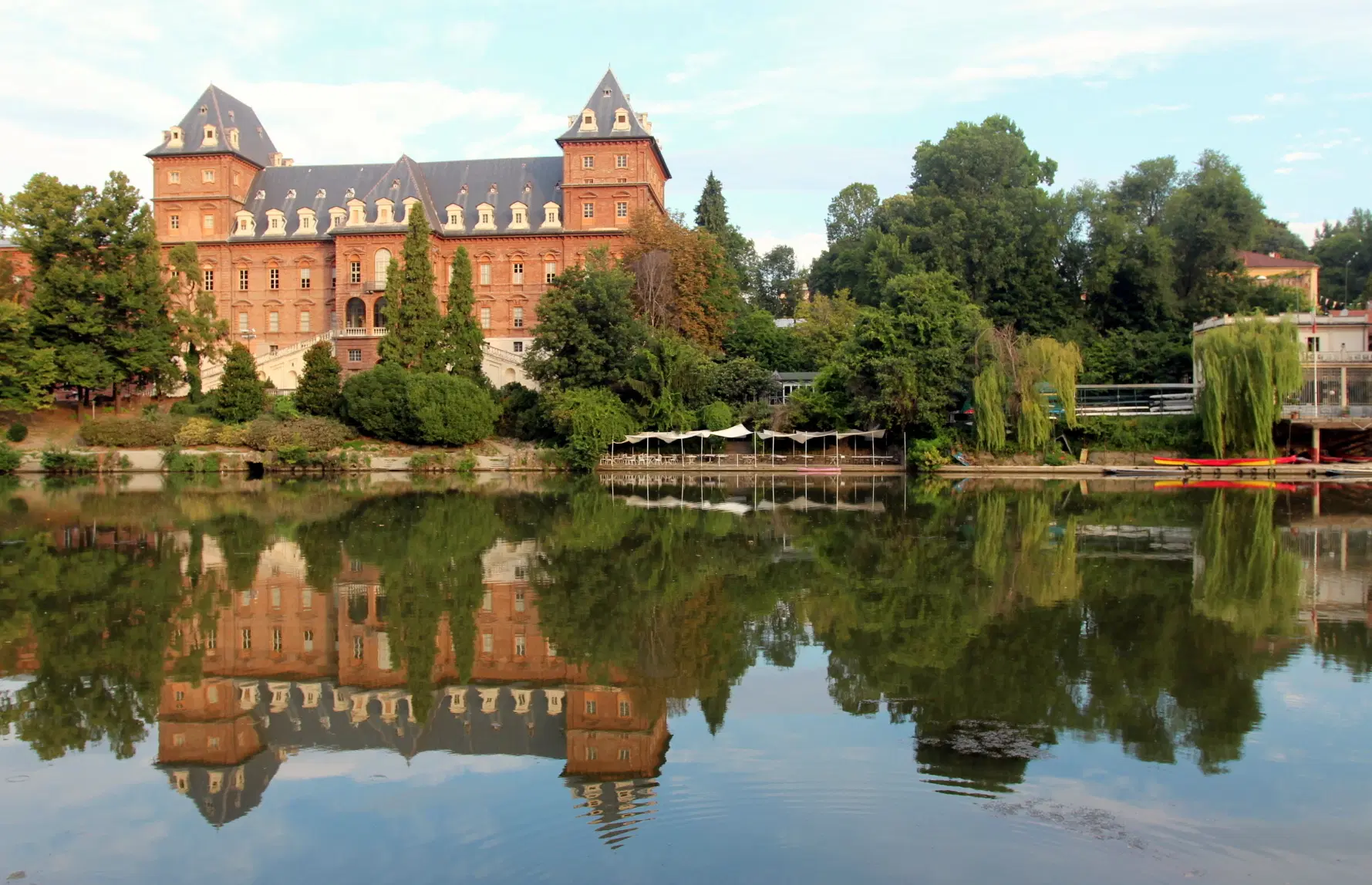
15 min transit
This riverside park connects the city center to green space and architectural landmarks along the Po River.
Turin offers a dense concentration of history, industrial innovation, and cultural legacy that distinguishes it from other Italian metropolitan centers. These verified facts highlight the specific heritage that defines the city.
The historic coffee drink, consisting of layers of espresso, chocolate, and cream, was first documented in Turin cafes during the 17th century. It remains a hallmark of the city's traditional beverage culture.
Turin served as the cradle of the Italian film industry, hosting the first public film screening in the country and establishing the National Museum of Cinema within the Mole Antonelliana.
The Fabbrica Italiana Automobili Torino was established in the city, fundamentally shifting the local economy and urban landscape toward industrial manufacturing.
Following the unification of the country, Turin held the status of the first capital of the Kingdom of Italy from 1861 to 1865.
The city center features an extensive network of covered walkways, originally designed to allow the royal family and citizens to walk through the city protected from rain and sun.
Turin houses the Museo Egizio, which holds the second-largest collection of ancient Egyptian artifacts in the world after the Cairo Museum.
Everything you need to know about is turin worth visiting
Many travelers find that Turin provides a rich cultural experience, making it an excellent choice for a short city break. The blend of Baroque architecture, royal residences, and sophisticated cafe culture ensures that is turin worth visiting becomes a frequent topic for those planning northern Italian itineraries.
To avoid mid-day crowds and enjoy cooler temperatures, the best arrival window is between 09:00 and 11:00. This timing allows you to experience the city at a comfortable pace before peak hours arrive.
Families often find that is turin worth visiting due to its accessible piazzas, expansive parks, and interactive museums. The city offers a pedestrian-friendly environment that caters well to younger visitors and relaxed walking tours.
There is no cost to access the city as a public destination, with an entrance fee of 0 EUR for general exploration. This makes the city an accessible choice for those monitoring their travel budget while seeking high-quality experiences.
To maximize your experience, consider using a city card to streamline your access to museums and public transit. Planning your route in advance helps ensure that is turin worth visiting remains a highlight of your broader Piedmont adventure.
Summer brings warm weather and vibrant outdoor life, confirming that is turin worth visiting for those who enjoy long days and evening walks. Travelers should keep in mind that mornings are the optimal time to sightsee before temperatures rise.
With its extensive history as the first capital of Italy, the city offers deep insights for architecture lovers. Every street corner reflects the royal heritage of the Savoy dynasty, confirming that is turin worth visiting for historical research and sightseeing.